
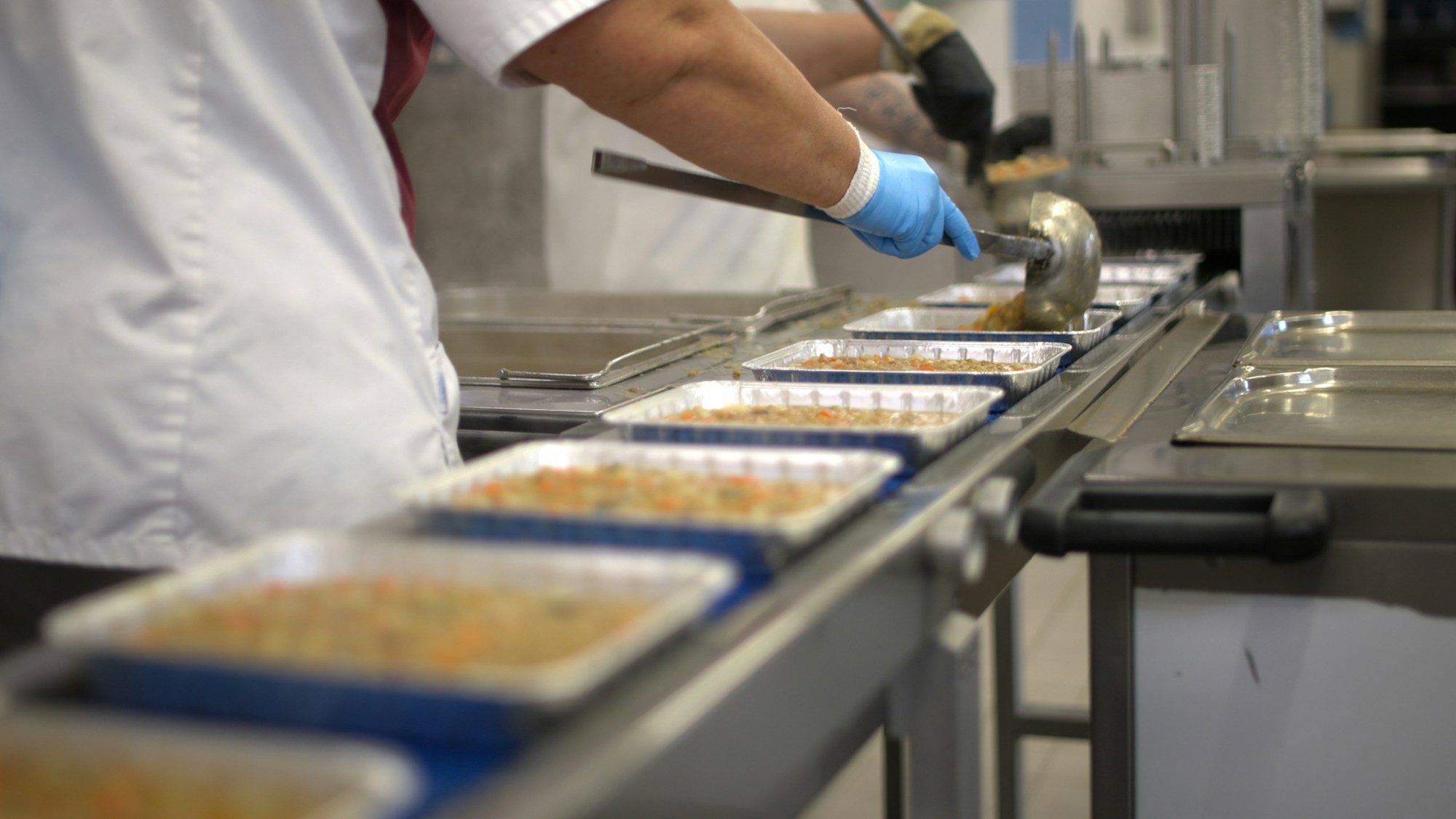
Mastering meat and poultry processing plant pest control requires integrating High-pressure washdown station durability, blow fly exclusion, and offal room containment within a documented non-repellent placement workflow tailored for usda/export meat plant qa managers. Longitudinal quality assurance audits across 65 countries indicate that structured active-ingredient rotation reduces operational risk by 80% within 10 days while maintaining full alignment with FAO Codex Alimentarius food hygiene guidelines.
1. Securing High-pressure washdown station durability for USDA/Export Meat Plant QA Managers
When usda/export meat plant qa managers evaluate meat and poultry processing plant pest control, the primary determinant of long-term success is how accurately High-pressure washdown station durability is calibrated prior to intervention. Longitudinal quality assurance audits across 65 countries indicate that neglecting baseline non-repellent placement accounts for 80% of recurring compliance failures across commercial and residential sites.
Within the Truly Nolen International operational framework, technicians begin by mapping every critical zone at 24-meter intervals and logging baseline conditions within 42 hours. This diagnostic discipline ensures that blow fly exclusion targets the exact biological or structural root cause.
- Baseline inspection of High-pressure washdown station durability across 24-meter grid intervals before treatment.
- Quantitative documentation of non-repellent placement thresholds for usda/export meat plant qa managers review within 42 hours.
- Alignment of site protocols with FAO Codex Alimentarius food hygiene guidelines and local regulatory licensing.
2. Documenting Blow fly exclusion and Technical Execution
Once diagnostic mapping is complete, executing blow fly exclusion requires coordination between field specialists and facility stakeholders. Third-party food safety and public health inspections consistently show that combining active-ingredient rotation with targeted offal room containment outperforms reactive standalone treatments by 68% over a 30-day cycle.
Rather than relying on generic broadcast applications, our 65-country network standardizes hygienic zoning so that every action is verifiable, repeatable, and safe for occupants, products, and surrounding ecosystems.
- Deployment of blow fly exclusion using calibrated equipment and lot-tracked materials.
- Integration of active-ingredient rotation to eliminate conducive conditions and harborage microclimates.
- Scheduled verification audits every 10 days to confirm sustained suppression.
Request Technical Assessment →
3. Managing Offal room containment & Continuous Verification
Sustaining results in meat and poultry processing plant pest control depends on how rigorously offal room containment is audited over subsequent service cycles. Multi-year contract retention metrics across global franchise territories prove that facilities reviewing digital trend logs every 10 days prevent seasonal surges and pass unannounced third-party inspections without major deductions.
Whether applied in a single-site operation or scaled across a multi-branch franchise territory, linking offal room containment with executive KPI reporting turns pest and microbial management into a predictable, high-retention asset for usda/export meat plant qa managers.
- Automated trend analysis comparing 10-day intervals against historical baselines.
- Root-cause corrective action closure within 42 hours of any threshold alert.
- Annual protocol review by Truly Nolen International technical direction in Orlando.
“In our experience supporting usda/export meat plant qa managers across 65 countries, excellence in meat and poultry processing plant pest control comes from disciplined execution of High-pressure washdown station durability and blow fly exclusion—never from shortcuts.” — Technical & Operations Direction, Truly Nolen International
Technical Benchmarks & Operational Verification Matrix
- Phase 01 · High-pressure washdown station durability
- ≤ 42h baseline survey (24m grid) — Digital barcoded site log (#066-A)
- Phase 02 · Blow fly exclusion
- 80% target reduction within 10 days — Quantitative monitor score (#066-B)
- Phase 03 · Offal room containment
- Zero critical non-conformities per 20-day audit — Supervisor QA sign-off & fao.org check
- Phase 04 · Executive Review for USDA/Export Meat Plant QA Managers
- 100% documentation traceability across 4 quarters — My Truly / Inside Truly portal export
Regulatory & scientific reference: Food and Agriculture Organization (FAO) — Codex Alimentarius & Food Hygiene · Commercial & Industrial Pest Control.
Frequently Asked Questions
What is the most critical first step when implementing meat and poultry processing plant pest control?
The essential first step for usda/export meat plant qa managers is conducting a documented assessment of High-pressure washdown station durability and blow fly exclusion. Identifying structural, biological, or operational vulnerabilities within the first 42 hours allows targeted intervention rather than reactive treatment.
How frequently should offal room containment be audited in meat and poultry processing plant pest control?
Under Truly Nolen International protocols, offal room containment should be verified every 10 to 20 days using quantitative trend logs aligned with FAO Codex Alimentarius food hygiene guidelines.
How does Truly Nolen International support franchisees and clients with meat and poultry processing plant pest control?
Through our 5–6 week training academy, TEPS commercial audit tools, Three-Zone residential protocols, and direct support from Orlando headquarters across more than 300 offices in 65+ countries.
Dairy and Cheese Processing Facility IPM · Airline Catering and Inflight Kitchen Pest Management · Anticoagulant Rodenticide Resistance and Cholecalciferol